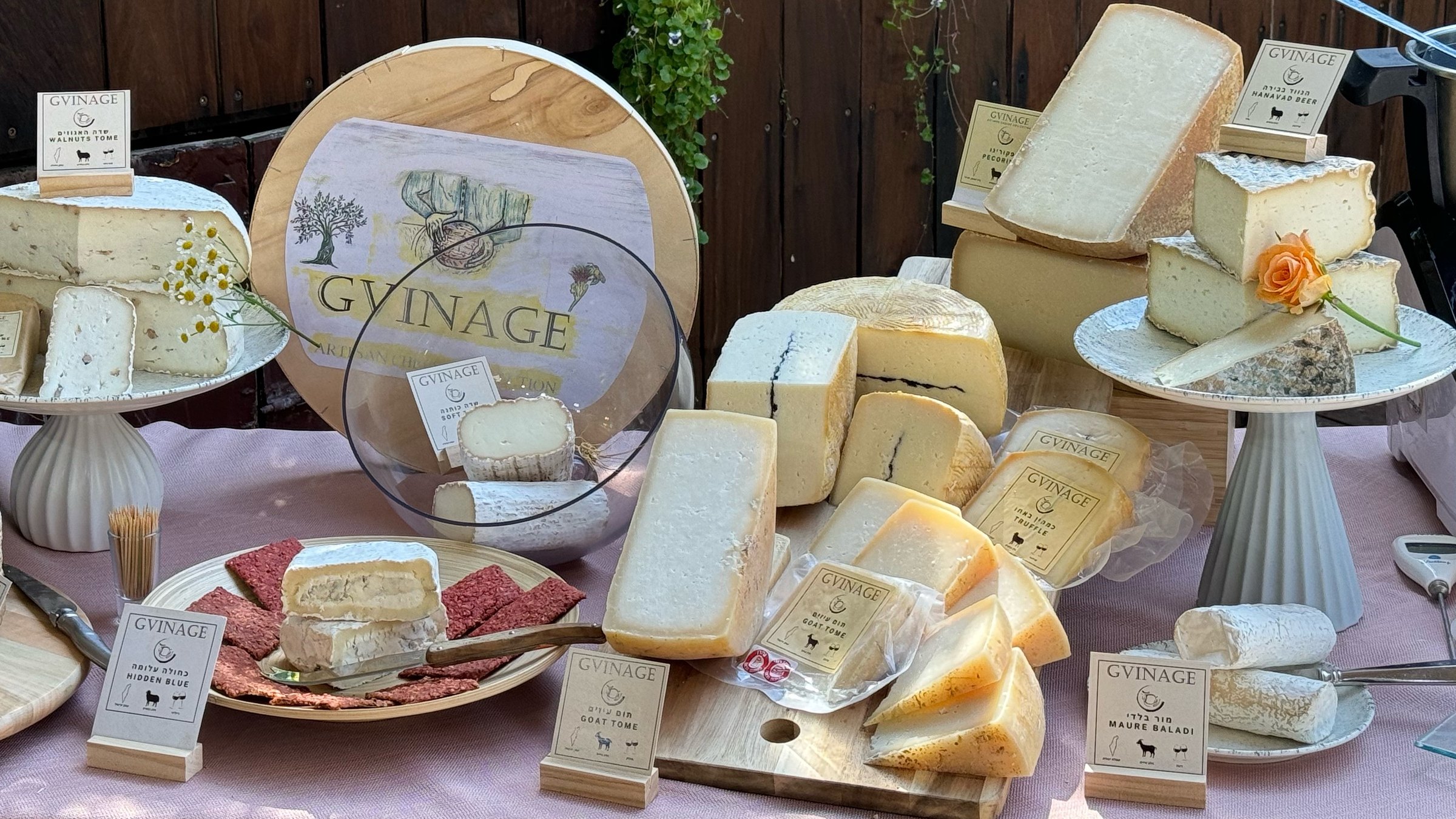
GVINAGE
An Israeli-international cheese house in the Upper Galilee
Handmade goat and sheep cheeses, made at Rom Farm.
This month: our workshop participants get 25% off cheese purchases at the Visitor Center. Details
What makes GVINAGE different
Boutique
Small-batch, handmade production
Upper Galilee
Local milk, from Rom Farm
No preservatives
Cheese, salt, culture — that’s it
Kashrut
Chalav Yisrael, under the supervision of the Misgav Regional Council Rabbinate.
Delivery
Chilled delivery on selected dates each month · Central Israel, Sharon, Galilee and Haifa
The shop
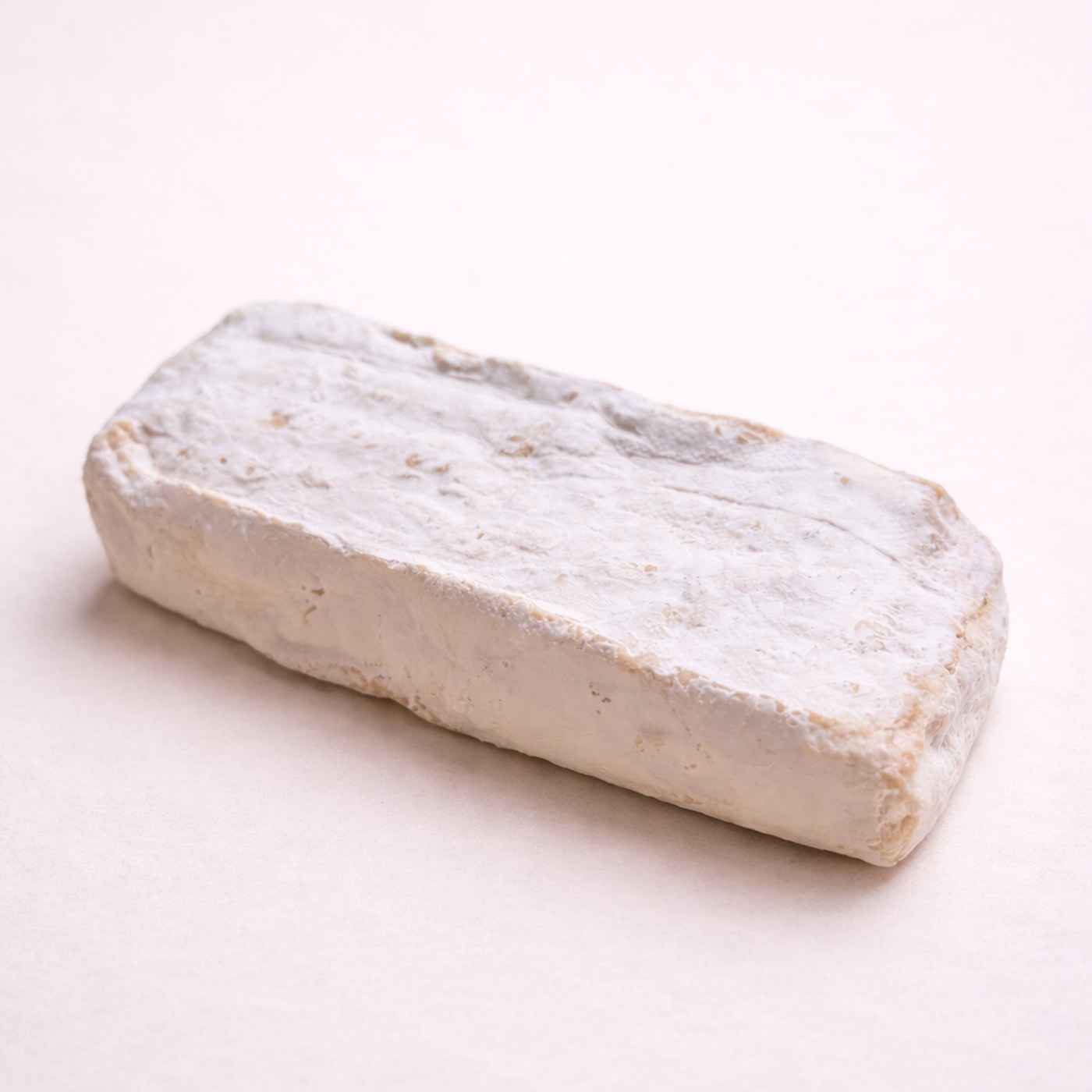
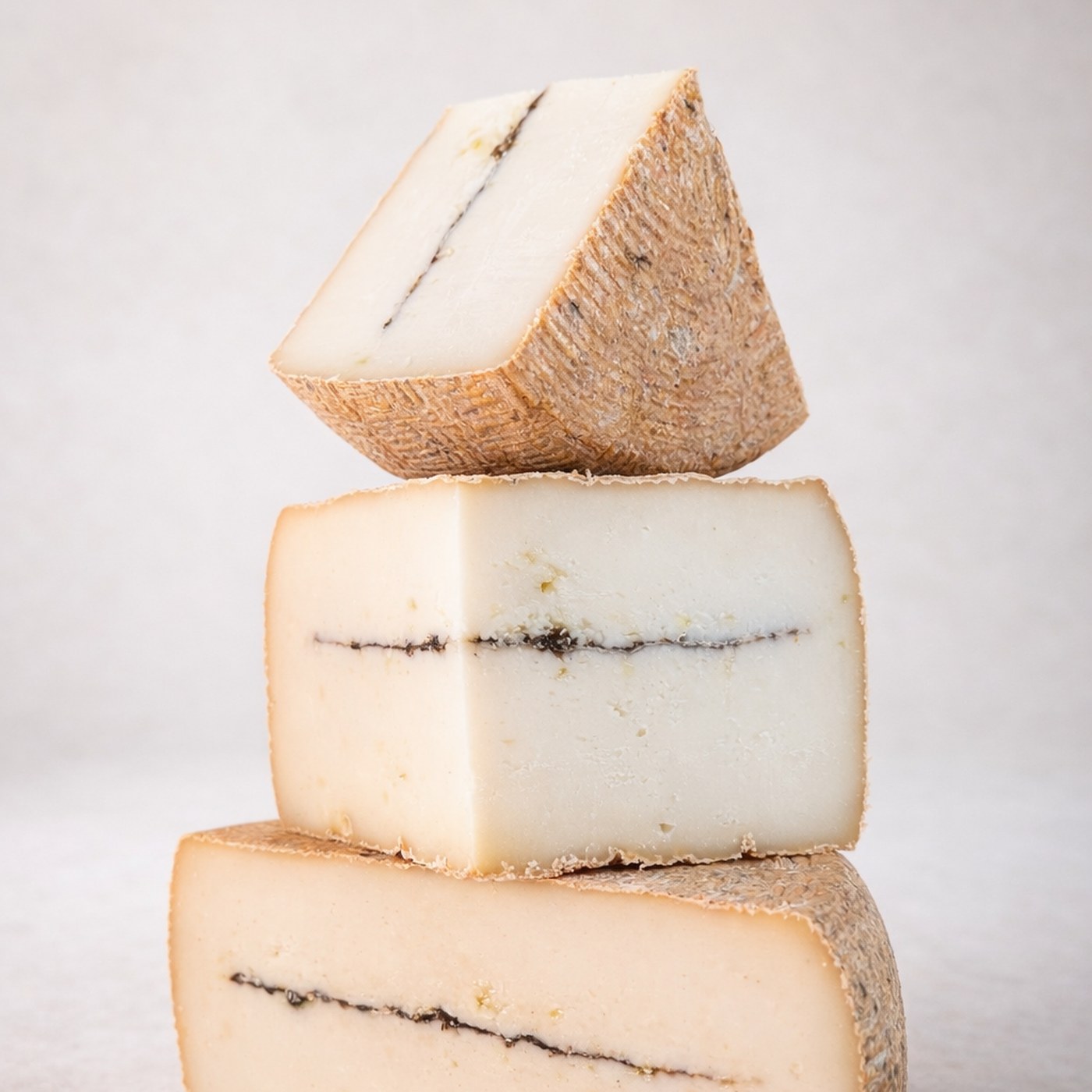
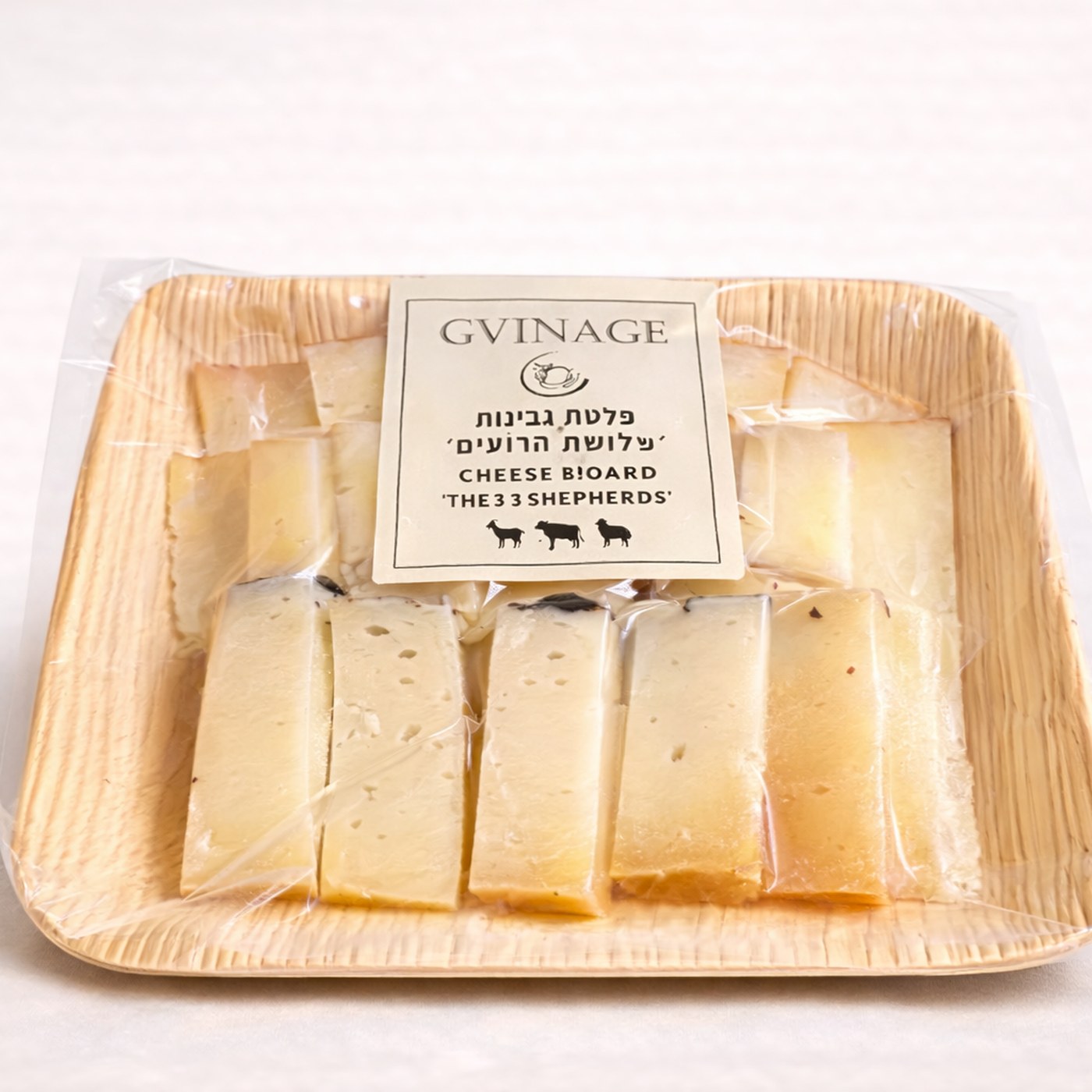
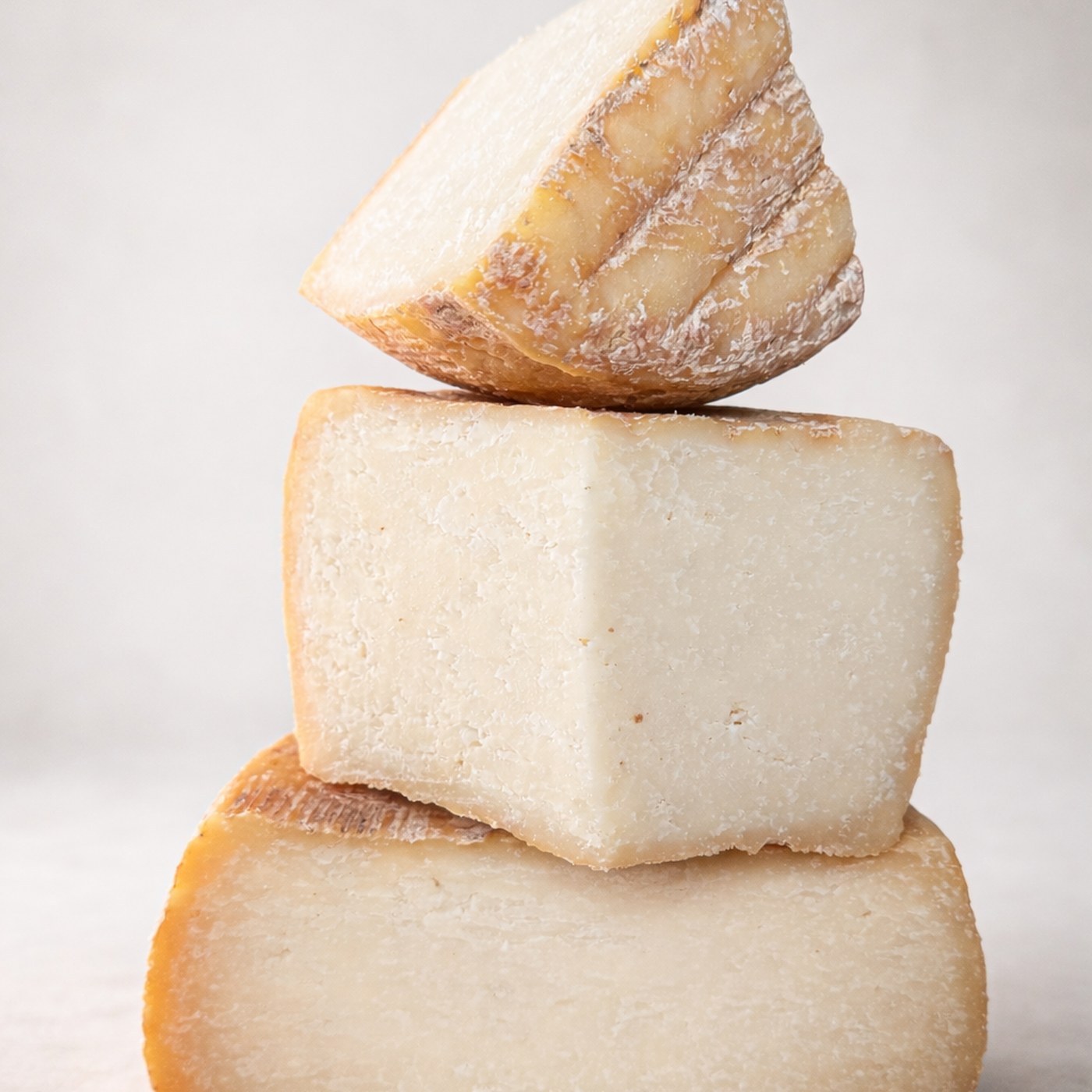
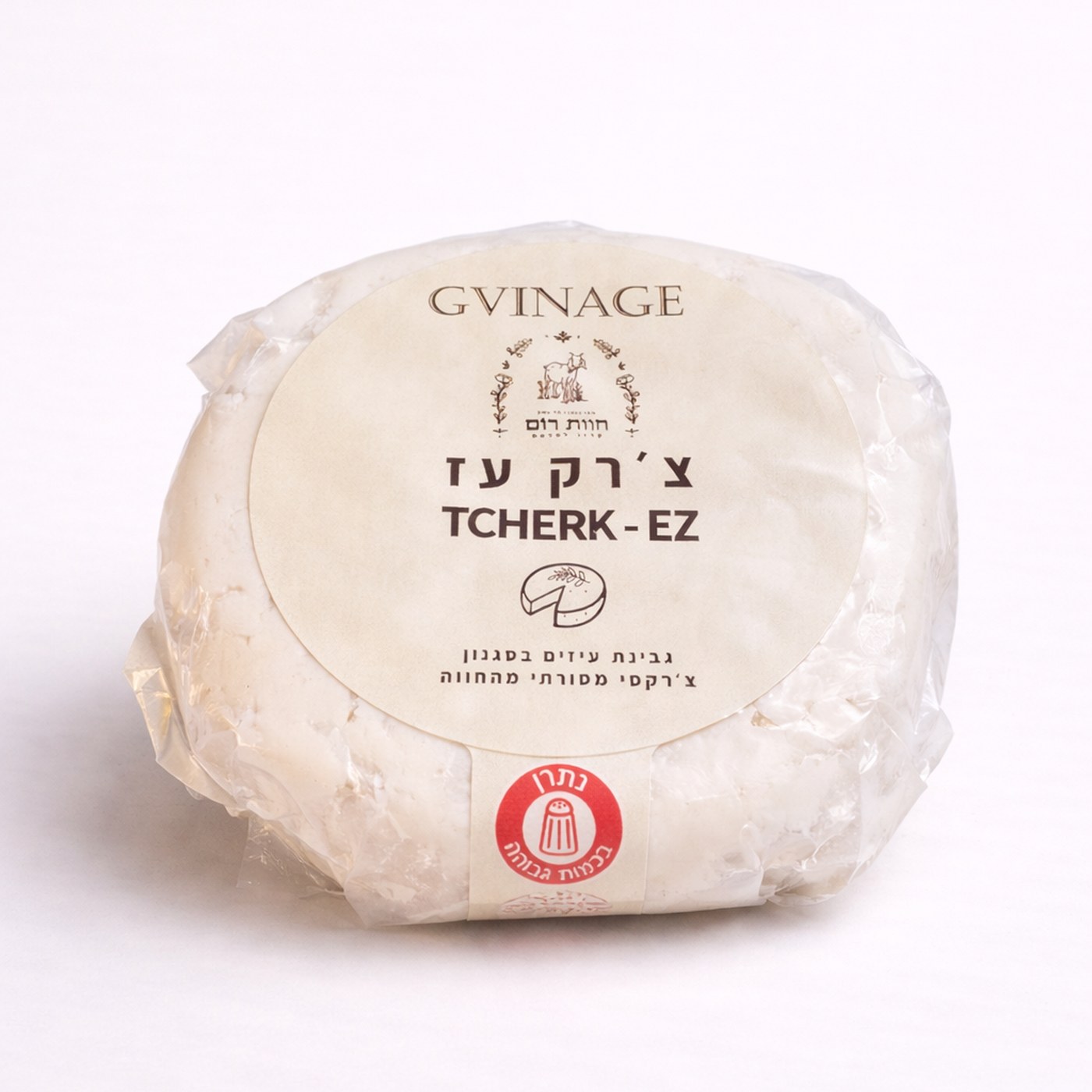
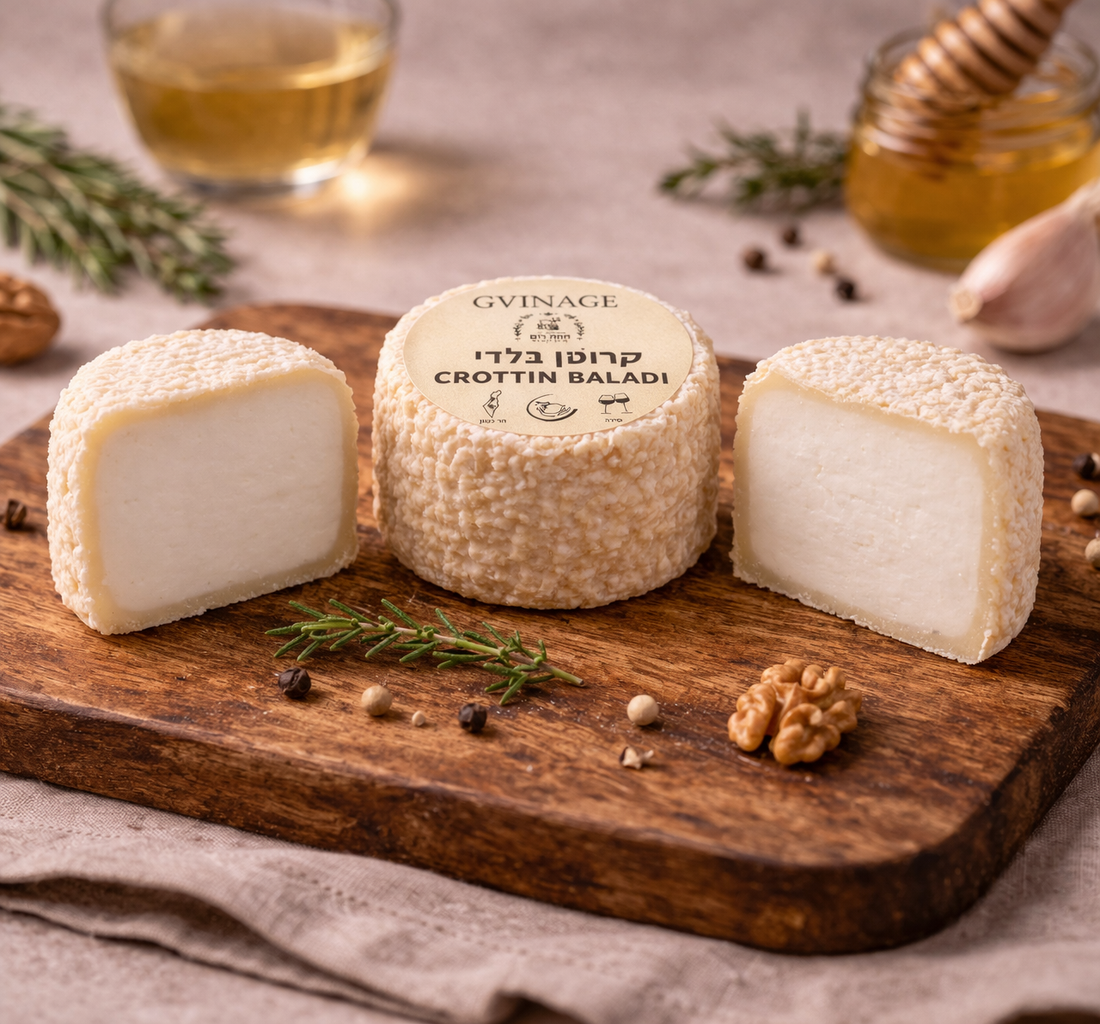
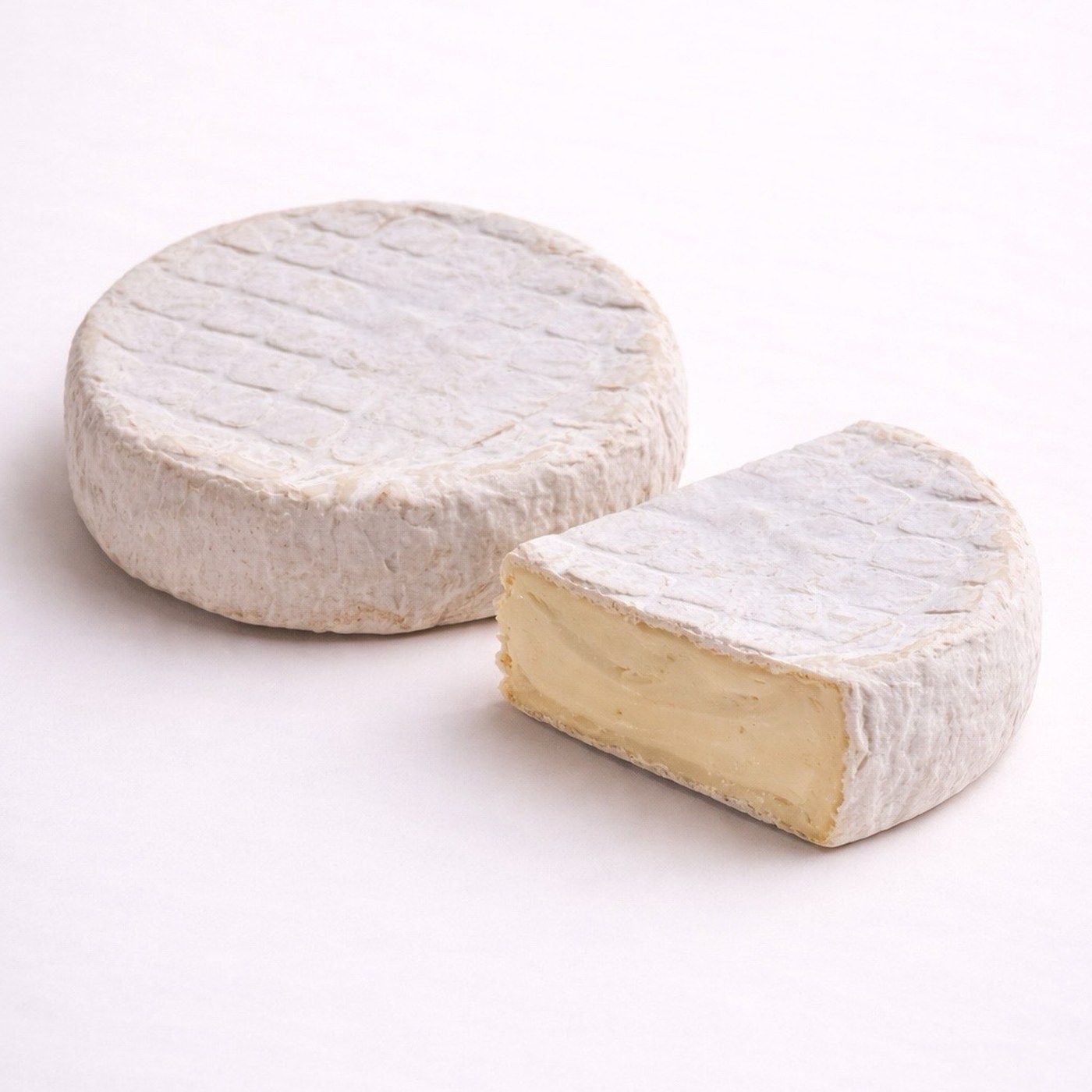
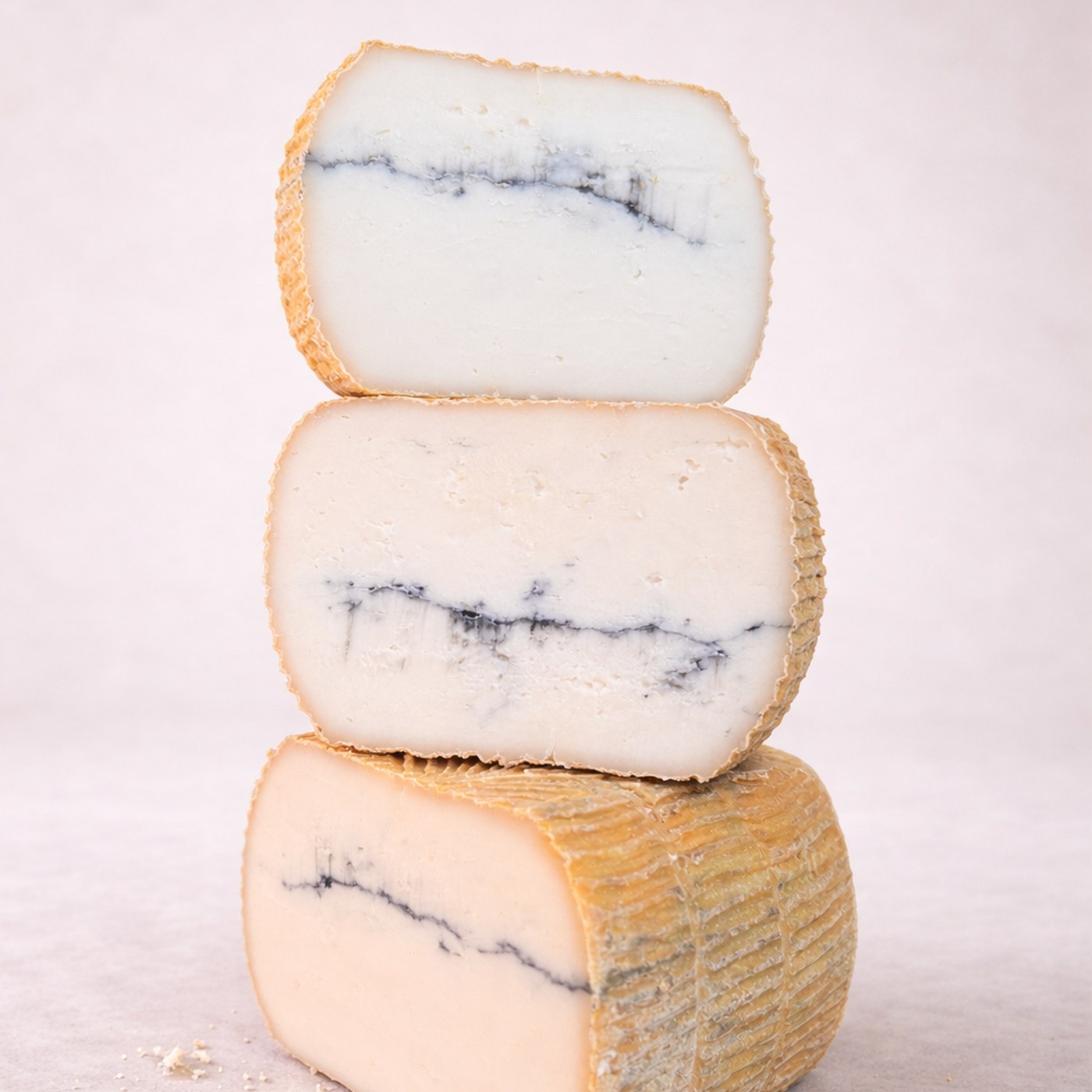
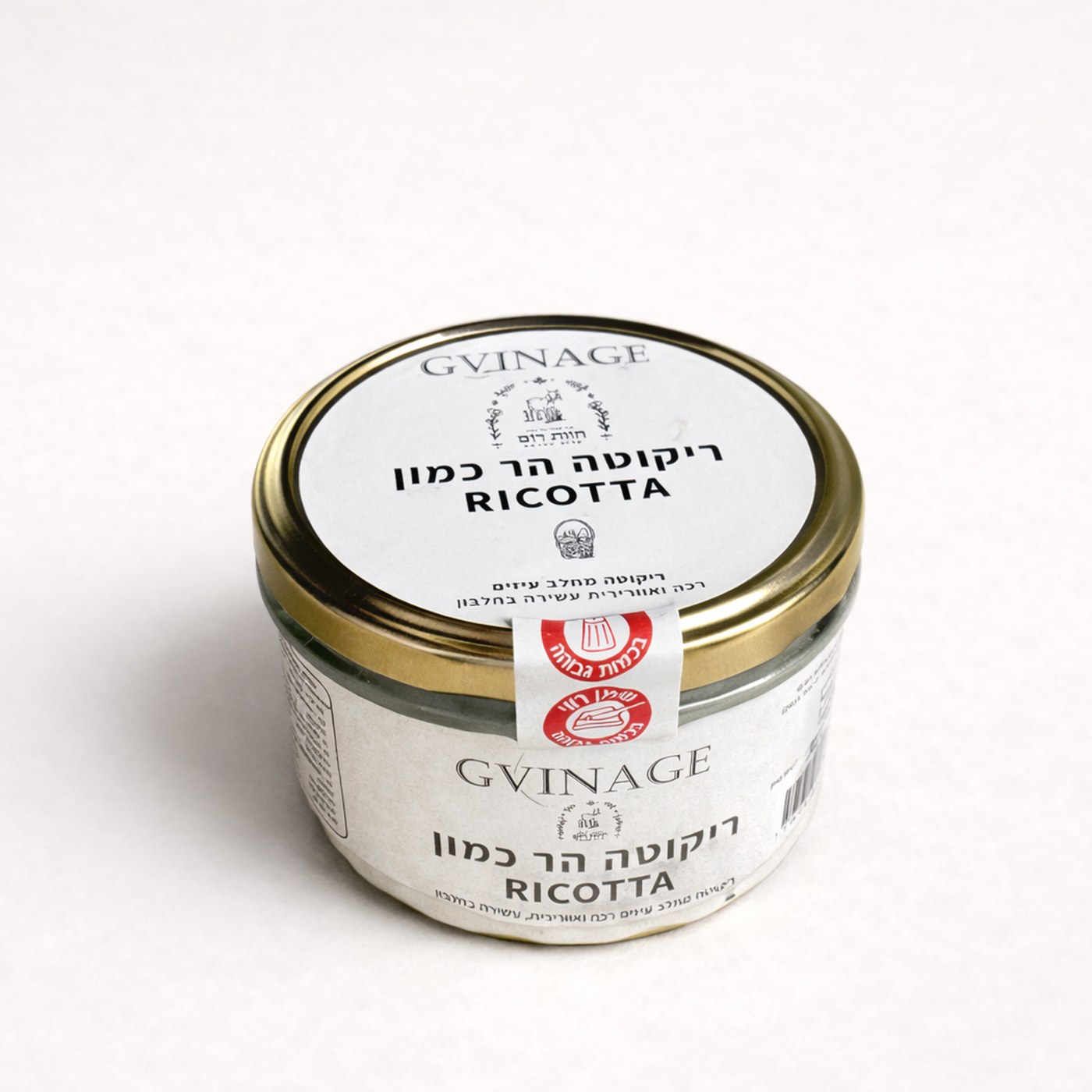
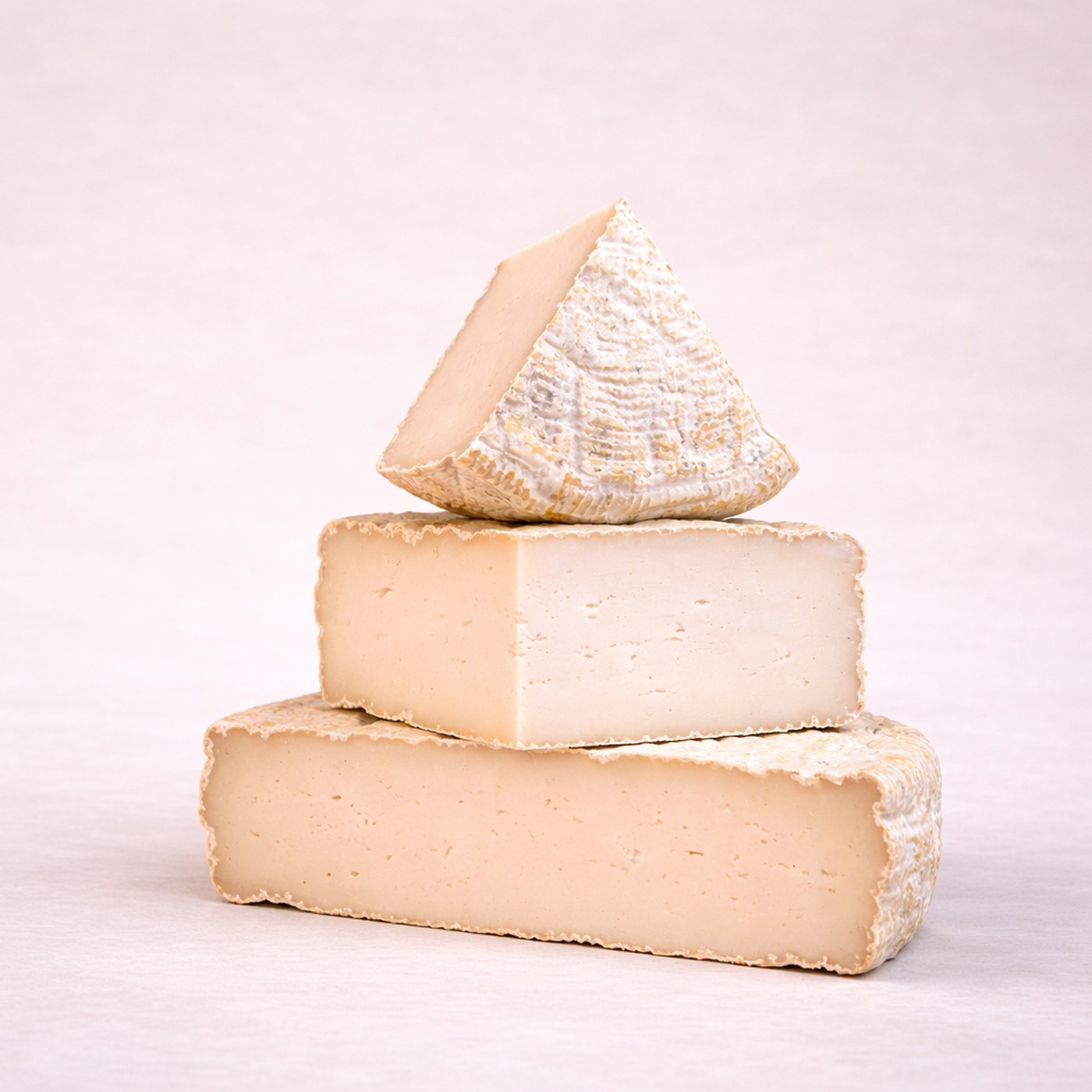
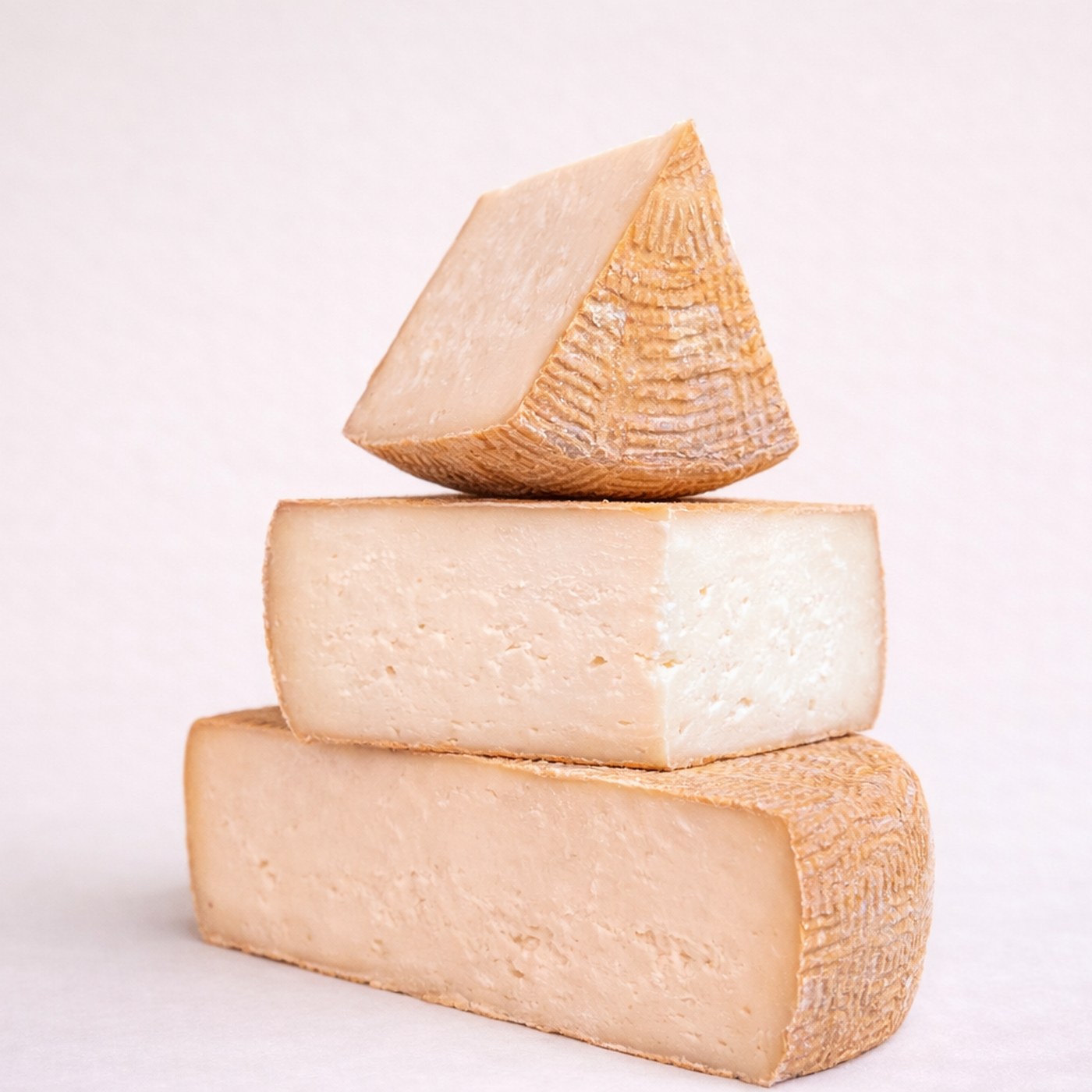
Our cheeses
The woman behind GVINAGE
Naomi Richard Stein
In a cheese, I always look for the story behind it.
A certified Master Cheesemaker — one of 37 in the world — and a member of the Guilde Internationale des Fromagers. She studied food engineering and agriculture at the University of Lyon and specialized in cheese at ENILEA, the Besançon-Mamirolle campus.

The Farm & Healing
Good cheese begins with good people
At Rom Farm, alongside the dairy, there is a rehabilitation centre run with the Ministry of Health and a resilience centre run with the Ministry of Defence. The people who rehabilitate with us make cheese with us, take the herd out to pasture, and find a place to breathe on the farm.
In the dairy
How it’s made
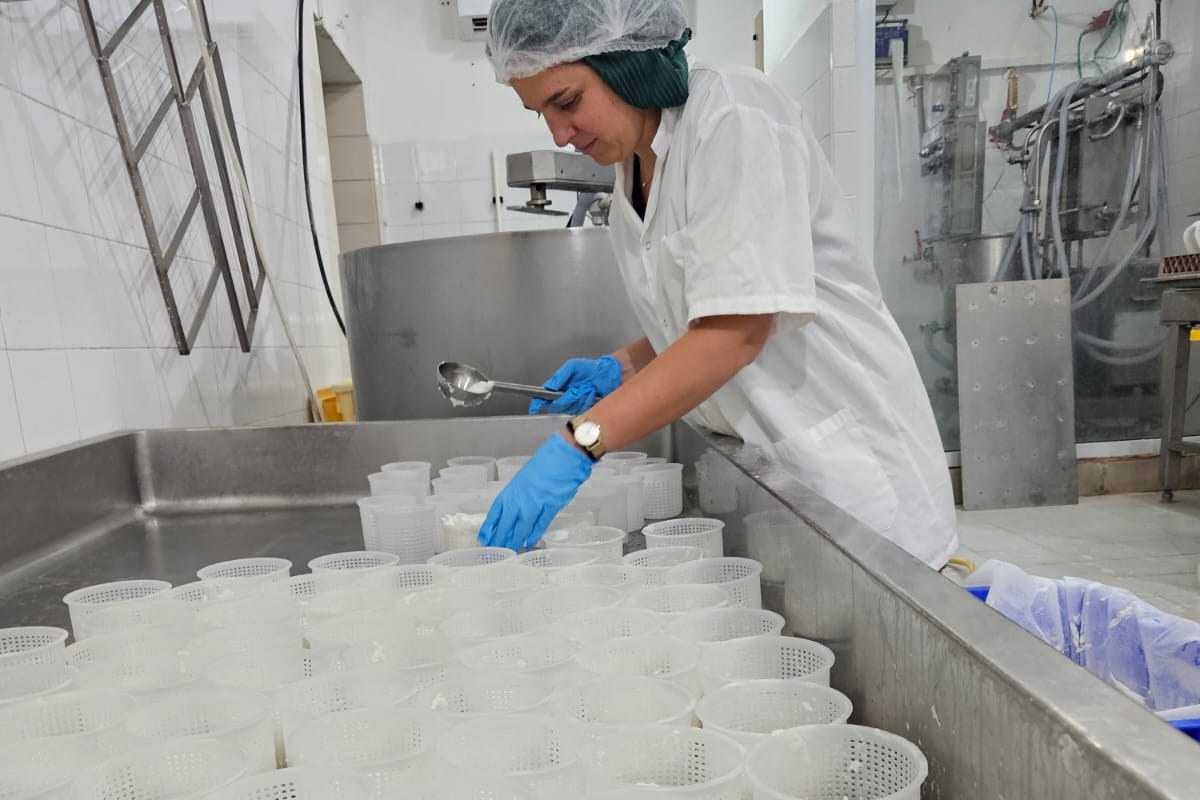
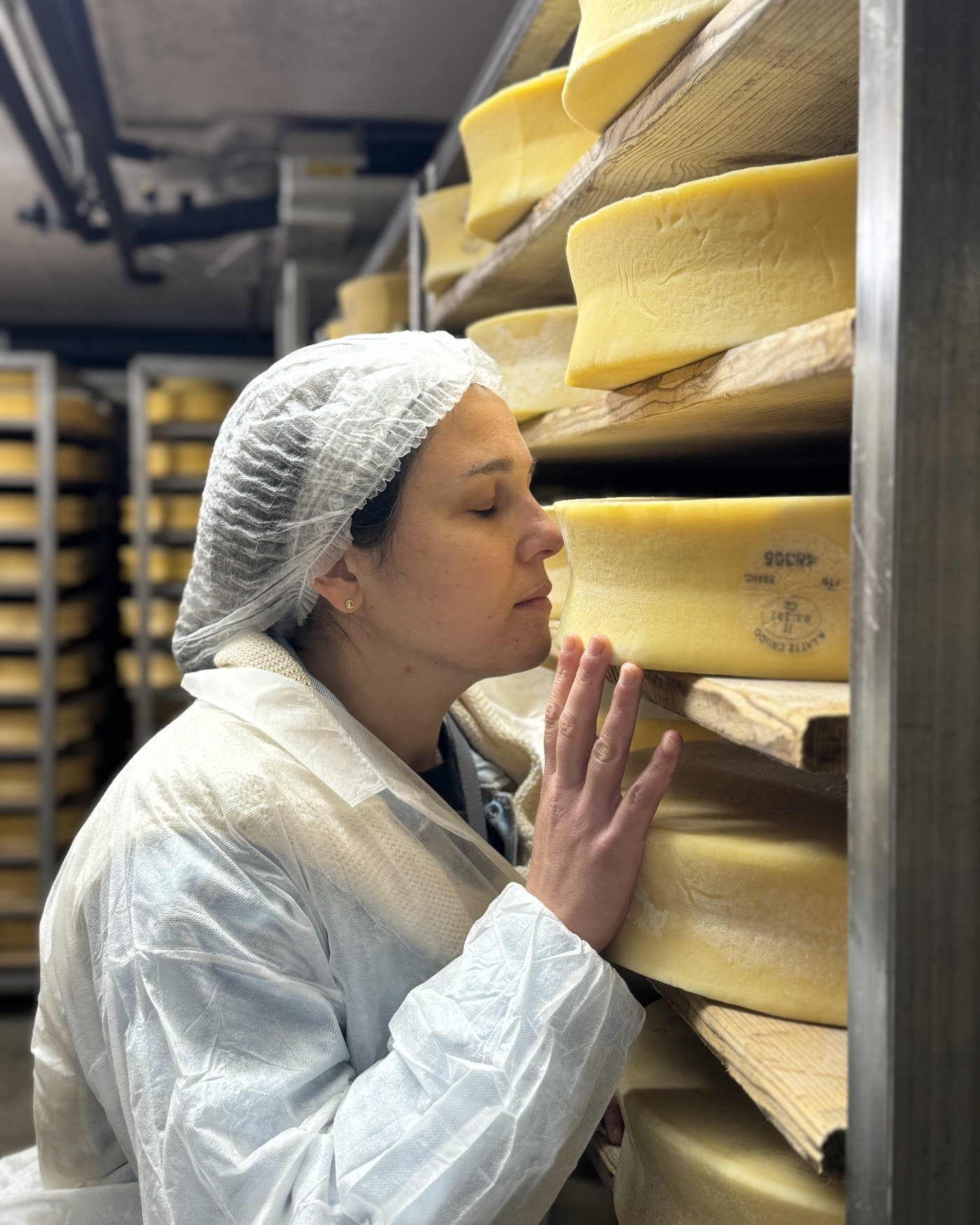
Experience
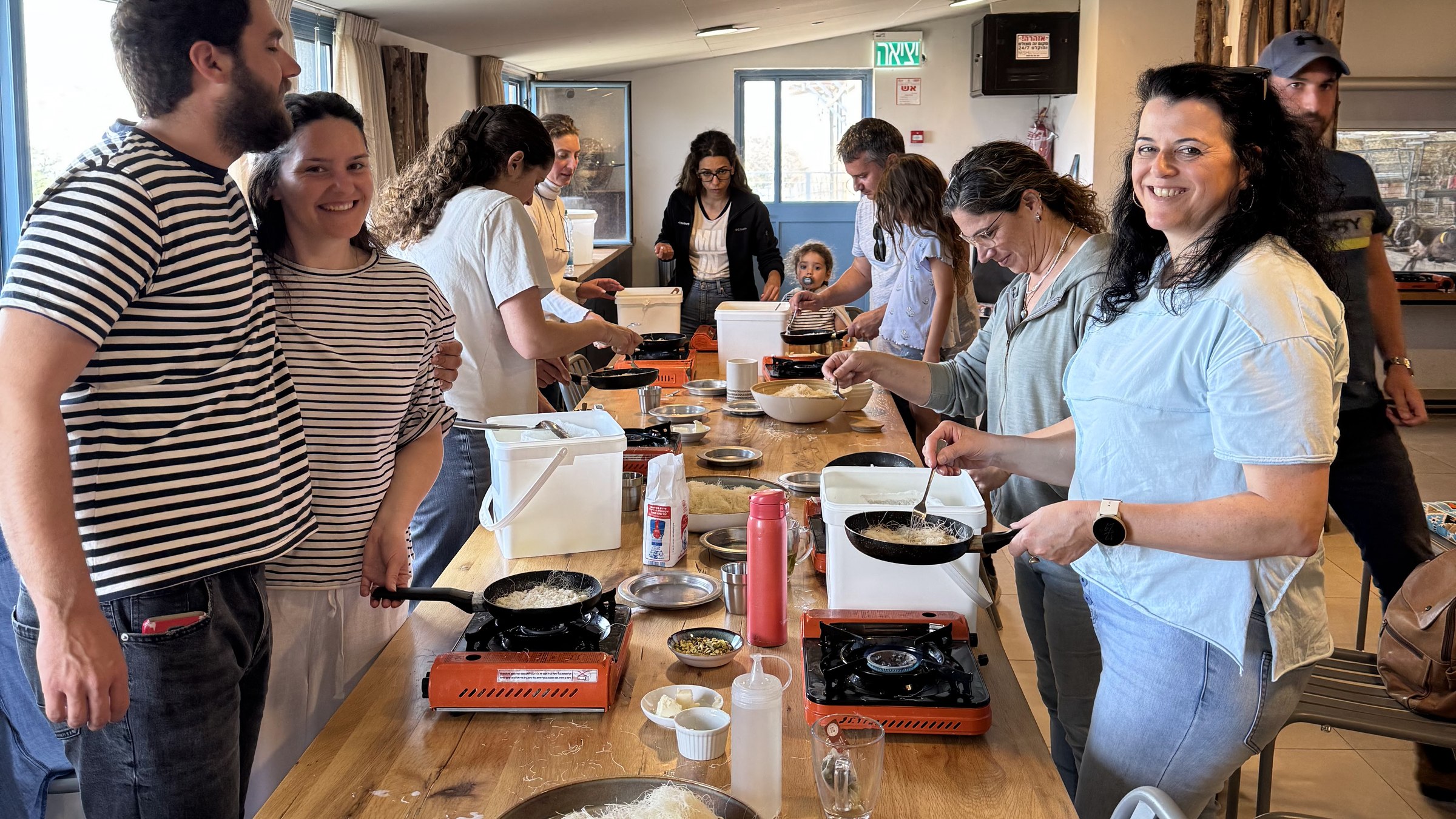
Workshops, tastings and fun days
Cheese-making workshop, ricotta & knafeh workshop, cheese tastings and farm tours — at Rom Farm.
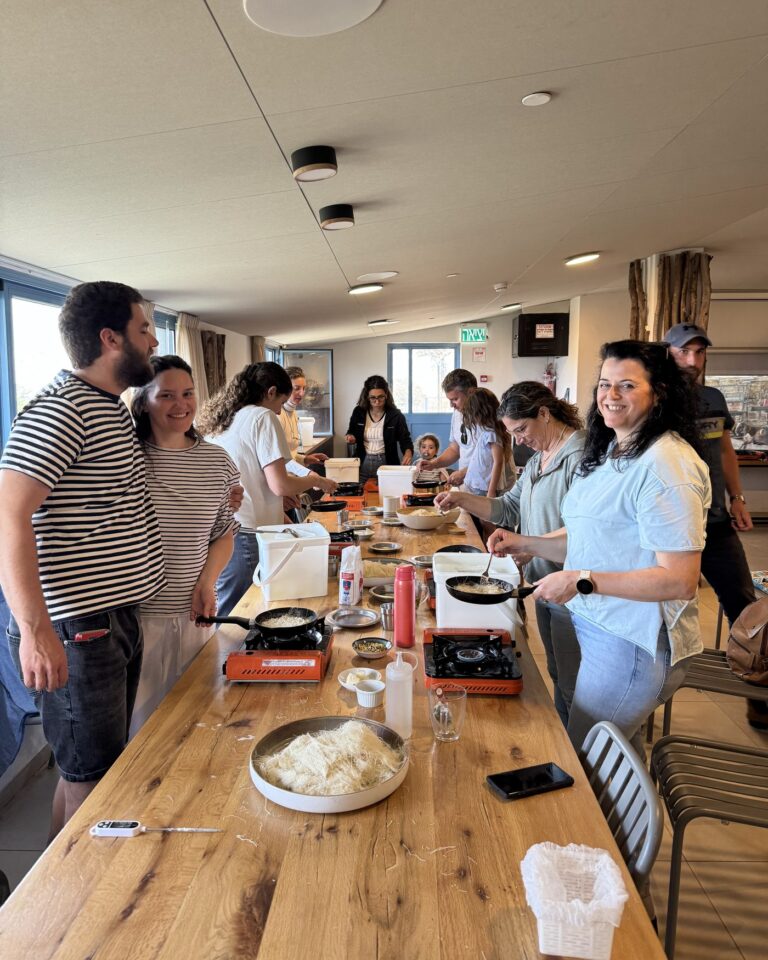
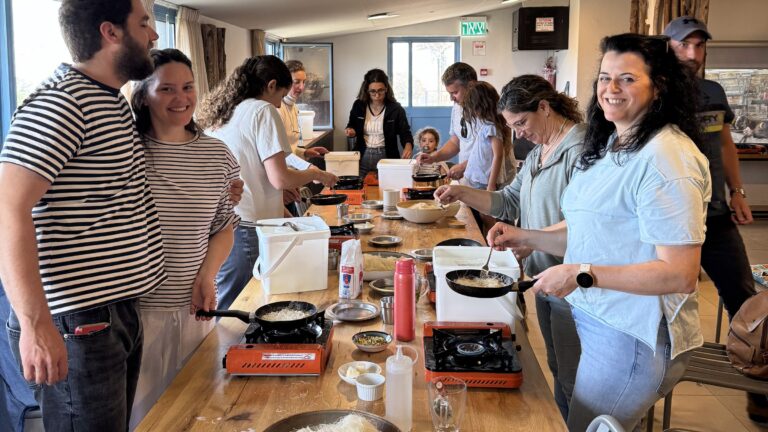
Cheese tastings & farm tours
A guided tasting of our cheeses with wine, followed by a tour of the farm.
Dates & booking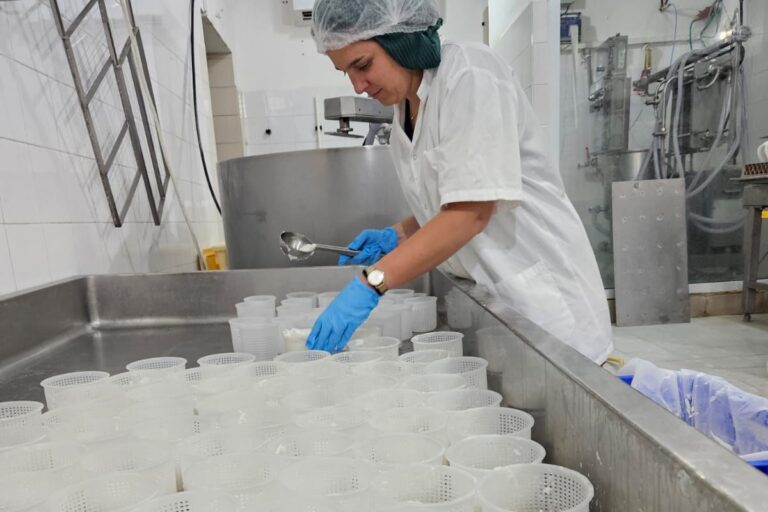
Visitor Center
Visit us at Rom Farm
The GVINAGE Visitor Center is open to the public Sunday to Friday, 9:00–15:00. Visit the goat pen, the production space and the ageing rooms, and finish at the deli and the farm shop.
Frequently asked questions
How long does fresh goat cheese keep in the fridge?
Keep it in its original sealed container, in the fridge’s vegetable drawer, and always take from it with a completely clean knife or spoon. The exact shelf life is shown on each cheese’s page — ricotta, for example, keeps for a week. The full guide to storing cheese
How do I store an aged cheese at home?
Wrap it in baking paper rather than cling film, which suffocates the cheese and leaves an aftertaste. Place it loosely in a bag or a ventilated box in the vegetable drawer — where the temperature stays stable at around 6–8°C. Change to clean paper every time you cut it. The full guide to storing cheese
How is the cheese shipped, and how long does delivery take?
We are a small farm, so deliveries go out on selected dates each month rather than every week. The cheeses are shipped chilled to Central Israel, the Sharon, the Galilee and Haifa. After you order, we’ll let you know when the next delivery goes out, and you can always contact us to check. Delivery costs ₪50, and is free on orders over ₪500.
What is the kashrut of the cheeses?
All our cheeses are kosher Chalav Yisrael, under the supervision of the Rabbinate of the Misgav Regional Council.
Why doesn’t GVINAGE make cheese from cow’s milk?
It’s a deliberate choice. In Naomi Richard Stein’s words: “For us, listening to the land and connecting with nature are an inseparable part of the creative process. In our view, the Galilee terroir is not suited to raising cattle, so we chose not to make cheese from cow’s milk.” Even cheeses that are traditionally made from cow’s milk — Brie, Camembert, Morbier — are made here from the goat or sheep milk of our own herd, and adapted to it.
Want a taste?
An introductory box with a selection of our cheeses, delivered to your door.